


The shift towards smart pharma and digitalization in supply chains
The pharmaceutical sector is changing quickly thanks to digital tools and advanced technologies.
Conventional supply chains are changing. Intelligent pharmaceutical supply chains are emerging.
They use automation, data analytics, and real-time monitoring.
These tools increase efficiency, reduce expenses, and promote compliance.
Digital supply chains are now essential as global pharmaceutical logistics grow more complex.
Why traditional pharma supply chains face challenges
Traditional pharmaceutical supply chains work in a straight line. They often rely on manual tasks, have scattered data, and lack real-time visibility.
Key challenges include:
What is a Smart Pharma Supply Chain?
A Smart Pharma Supply Chain leverages digital tools. These include AI, Blockchain, IoT, and predictive analytics.
These technologies boost efficiency, transparency, and security in drug logistics. A smart pharmaceutical supply chain is different from traditional ones.
Smart supply chains rely on real-time data and automation. They avoid inefficiencies, delays, and regulatory issues that often trouble conventional ones.
This helps improve operations and decision-making. It guarantees comprehensive visibility, lowers expenses, diminishes waste, and enhances regulatory adherence.
Pharmaceutical companies can use digital tools for several important tasks.
They can check for authentic drugs, manage inventory, and respond to market needs.
This helps improve patient outcomes and supports industry sustainability.
Why Digital Supply Chains are the Future of Pharma?
Global demand for drugs is rising. This needs digital supply chains.
They help speed up and improve drug distribution.
Real-time inventory monitoring and automated fulfillment enable this.
Regulatory agencies mandate rigorous monitoring of pharmaceutical items.
Digital tools like blockchain and AI compliance solutions provide complete traceability.
They assure compliance with Good Manufacturing Practices (GMP) and international standards.
Pharma companies can speed up lead times. They can do this using automated workflows, predictive analytics, and AI-driven demand forecasts. This speeds up drug development and distribution.
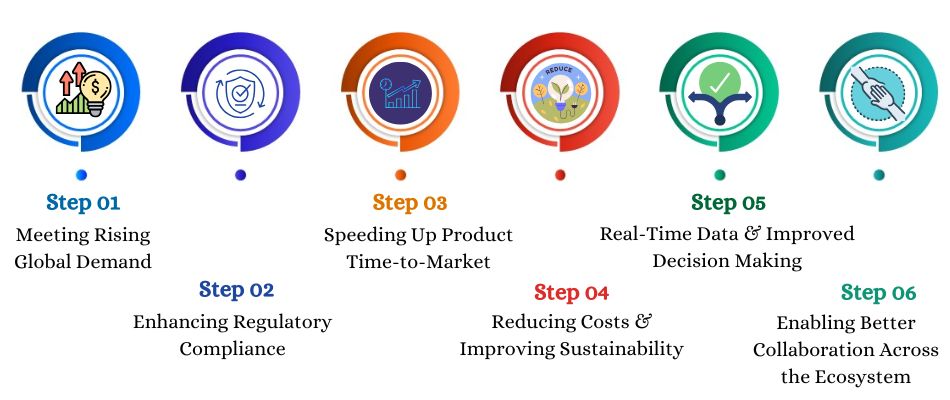
Digital supply chains cut costs and boost environmental sustainability. They do this by streamlining logistics, using less energy, and reducing waste.
Cloud platforms and IoT sensors help drug companies get real-time data. They track inventory, shipment conditions, and demand changes. This information allows companies to make quick decisions.
Digital supply chains connect manufacturers, distributors, regulators, and healthcare providers. This network boosts communication and improves efficiency.
Technologies Reshaping Pharma Supply Chains
AI and Machine Learning aid in predictive analytics, demand forecasting, and process automation. This reduces inefficiencies and boosts accuracy.
Blockchain ensures that pharmaceutical products are traceable and unchangeable. This helps stop counterfeit drugs and makes sure they meet regulatory standards.
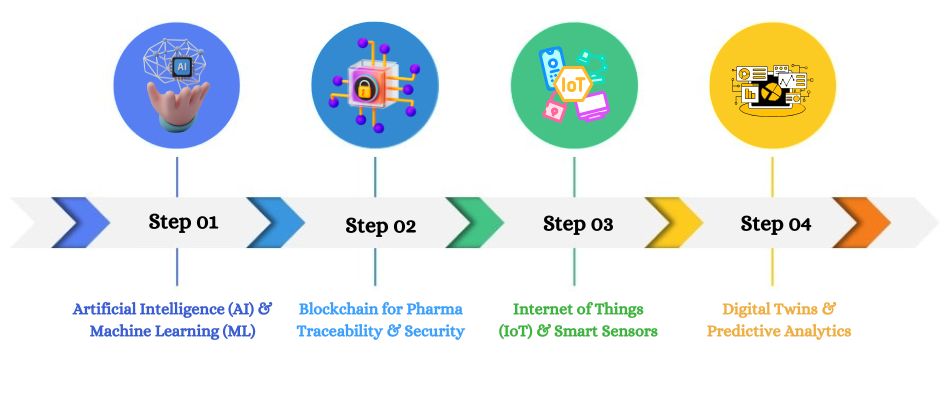
IoT sensors monitor temperature, humidity, and storage conditions. This ensures that pharmaceutical supplies stay safe and of high quality during transport.
Digital twins provide virtual representations of supply chain operations. They help companies simulate scenarios, optimize operations, and strengthen resilience against disruptions.
Key Drivers Behind Smart Pharma Supply Chains
Rising Regulatory Pressure
Pharmaceuticals are highly regulated. They must follow strict rules from the FDA, EMA, and WHO.
Counterfeit drugs are complicated by following GMP, serialization, and drug traceability rules.
Digital supply chains let you track items automatically.
They provide real-time documentation and help with regulatory reporting.
This ensures you stay compliant with changing regulations and avoid costly breaches.
Technological Advancements in Pharma Logistics
AI, Blockchain, and IoT are changing pharmaceutical logistics.
AI-driven predictive analytics reduce inventory shortages and overstocking.
Blockchain provides end-to-end traceability, eliminating counterfeiting and enhancing security.
Smart IoT sensors track temperature and humidity in real-time.
They help keep sensitive drugs and biologics stored correctly.
These technologies improve supply chain efficiency, accuracy, and responsiveness.
Cost Reduction
Traditional pharmaceutical supply chains are costly.
This is due to inefficiencies, manual processes, and poor inventory management.
Digitalization cuts waste, labor, and logistics costs.
Predictive analytics estimate demand, reduce excess stock and reduce expired product losses.
Automation in warehousing and distribution improves pharmaceutical supply accuracy and speed, lowering costs.
The Growing Importance of Sustainability
Sustainability is increasingly important in pharmaceutical supply chains.
Companies need to lower their carbon footprints and use resources better.
This is due to pressure from both the government and consumers.
AI and digital twins optimize logistics routes in smart supply chains.
This reduces fuel usage and pollution.
Reusing packaging and reducing drug disposal helps make the pharmaceutical sector greener.
Shift Toward Personalized Medicine
Precision medicine is changing the pharmaceutical supply chain.
This shift is fueled by genetic research and innovation.
Personalized medicines need flexible, responsive, and technology-driven logistical systems.
Smart supply chains use AI for planning. They automate distribution and use blockchain for traceability.
This helps deliver biologics and gene therapies safely and quickly.
Increasing Global Demand
Supply chains need to change. They must respond to the rising demand from a growing global population.
This includes healthcare needs and pharmaceutical markets in developing nations.
Digital transformation allows pharmaceutical businesses to scale without disruptions to meet demand changes.
AI-powered demand forecasting, automated inventory control, and efficient logistics keep pharmaceutical companies competitive.
This ensures patients receive essential medicines on time.
Benefits of Digital Transformation in Pharma Logistics
Real-time tracking and data analytics provide clear visibility. This helps reduce the risks of counterfeit drugs and improves inventory management.
Automation, AI logistics, and IoT tracking improve the supply chain. They cut delivery times and ensure quick access to pharmaceuticals.
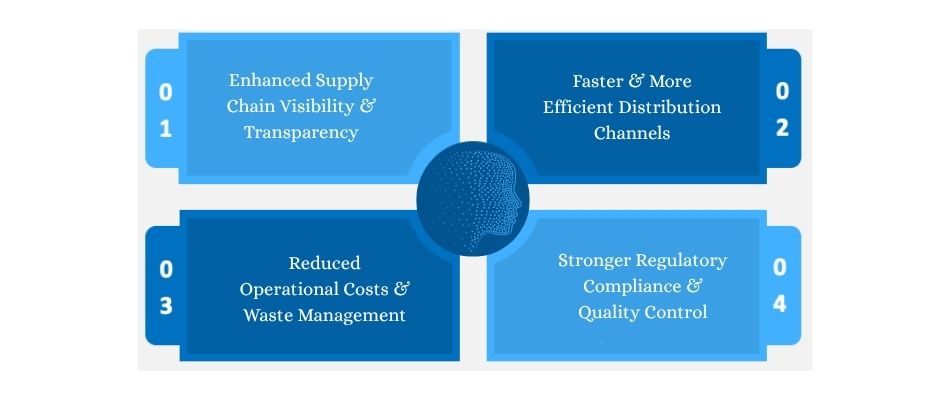
Predictive analytics improve inventory management. They help reduce excess stock, limit medicine expiration, and lower logistics costs.
Digital solutions help follow regulations automatically. They improve documentation accuracy and enhance drug safety with real-time monitoring.
Global Market Trends in Digital Pharma Supply Chains
The pharmaceutical supply chain is quickly changing with digital transformation. Key trends include:
Implementation of cloud-based supply chain management systems.
Optimization of logistics with artificial intelligence.
Augmented investment in blockchain for traceability solutions.
The increasing significance of robots and automation in warehousing and packaging.
Role of India in Smart Pharma Supply Chains
Growing implementation of artificial intelligence and automation in Indian pharmaceutical manufacturing.
Government projects advancing digital healthcare and modernizing supply chains.
Exporting is strong, thanks to digital tracking. Compliance tools also help improve international trade.
Challenges & Roadblocks in Digital Pharma Supply Chains
We must invest in infrastructure, training, and technology to make digital supply chain solutions work.
Many pharmaceutical companies still use old systems. This makes it hard to adopt new digital technologies.
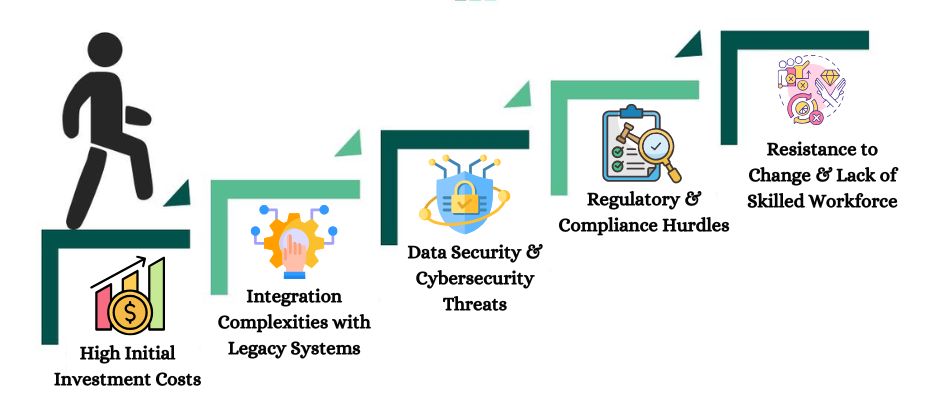
These days, supply networks are increasingly prone to hacks and data leaks. This is due to their growing integration with each other.
Global regulations vary widely. This makes it hard to ensure ongoing compliance in different markets.
For digital transformation to work, companies must train employees and shift cultural norms.
Future Outlook: The Evolution of Smart Pharma Supply Chains
Smart pharmaceutical supply lines will evolve with digitalization, automation, and data-driven decisions.
Techs like AI, Blockchain, IoT, and digital twins will boost supply chain efficiency.
They offer real-time monitoring, predictive analytics, and easier compliance with laws.
As personalized medicine grows, supply lines must adapt.
This way, treatments for each patient can be produced and delivered as needed.
Sustainability matters a lot. Businesses will use green transportation, eco-friendly packaging, and carbon-neutral operations.
A safer and more reliable global supply chain will come when pharmaceutical companies, logistics firms, and governments work together.
Digital change is speeding up. The pharmaceutical industry will benefit in several ways.
Patients will enjoy better cost-efficiency, less waste, and easier access to important medicines.
This will make smart supply chains the new standard for the industry.
Conclusion: Embracing Digital Innovation in Pharma Supply Chains
Shifting to smart pharmaceutical supply chains is crucial. It keeps us competitive. It follows regulations.
It also meets the growing global demand for medicines.
Digital technologies can boost productivity in the pharmaceutical sector.
They also help cut costs and enhance patient outcomes.
Organizations that invest in digital transformation will lead the future of pharmaceutical logistics.
