








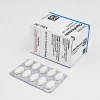

Ciprofloxacin Tablets
| Product/Composition:- | Ciprofloxacin Tablets |
|---|---|
| Strength:- | 250mg, 500mg |
| Form:- | Tablets |
| Production Capacity:- | 10 Million Tablets/Month |
| Packaging:- | 10 X 10 Tablets / Box |
| Therapeutic use:- | Anti biotic/ Anti infective/ Anti fungal |
| Package Insert/Leaflet:- | Available upon request |
What is Ciprofloxacin?
Ciprofloxacin is a fluoroquinolone antibiotic with broad range action. It’s used to treat bacterial infections. These infections affect the respiratory system, urinary tract, gastrointestinal tract, and skin.
Ciprofloxacin inhibits two key enzymes. These enzymes are necessary for bacterial DNA replication, transcription, and repair.
The enzymes are DNA gyrase and topoisomerase IV. It’s often used for serious infections or those that don’t respond to other treatments. This is because it works well.
How Ciprofloxacin Works
Ciprofloxacin works through the inhibition of bacterial DNA replication. It suppresses DNA gyrase and topoisomerase IV.
They are enzymes that are relevant to bacteria for unwinding and supercoiling DNA. Stopping these processes prevents bacteria from dividing and kills the bacterial cells.
Its broad action range makes it effective against Gram-negative and Gram-positive bacteria. This renders it an effective solution for infection treatment.
Non-selective use can lead to bacterial resistance, making cautious prescribing necessary.
How Should I Take Ciprofloxacin?
Ciprofloxacin has to be taken as instructed. Taking the right dosage and following recommendations helps ensure the best results. It also lowers the chances of antibiotic resistance and side effects.
Patients must follow their doctor’s orders closely. This helps them get the best treatment results and avoid problems.
Side Effects
Ciprofloxacin is mostly safe, but it can have side effects, and some may be severe. The following are some of the common and serious side effects about which users need to be notified:
What Other Drugs Will Affect Ciprofloxacin?
Ciprofloxacin often interacts with other drugs. This happens because it affects many enzymes in the body. Some drugs can increase the overall risk of side effects.
They can also lower the effectiveness of Ciprofloxacin. Some of the most critical interactions are:
Interactions Between Ciprofloxacin (Cipro) and Other Drugs
Ciprofloxacin interacts with several other drugs. These interactions increase side effects or decrease the way the medicine works. Report all of the medications that you are taking to your doctor.
This includes over-the-counter drugs and food supplements. Some serious interactions are as follows:
What to Avoid
While on Ciprofloxacin, don’t do the following and steer clear of these substances. This minimizes side effects and enables the drug to act more effectively:
Pros and Cons of Ciprofloxacin
Ciprofloxacin, like any medication, has its pros and cons. Here are the key pros and cons to think about when deciding if Ciprofloxacin is right for your infection:
Expert Advice for Ciprofloxacin
To get the best results from Ciprofloxacin and lower risks, follow these expert tips:
Take the dose as recommended to prevent bacterial resistance. Avoid the direct sun and apply sunscreen to protect your skin.Tell your doctor about any other drugs you’re taking. This helps avoid dangerous drug interactions that could be life-threatening.
Stay properly hydrated on Ciprofloxacin to reduce the risk of kidney side effects. Watch for odd side effects and consult a doctor if needed.
Diet & Lifestyle Advice
Taking Ciprofloxacin? A healthy lifestyle helps strengthen your immune system while reducing adverse effects.
Eat a balanced diet to enhance immunity. Drink plenty of water to flush out the system. Avoid excessive caffeine to prevent nervousness.
Engage in mild exercise but avoid high-impact activities to prevent tendon injuries. Do not consume alcohol to reduce central nervous system effects.
What if I Have Taken an Overdose of Ciprofloxacin Tablet?
An overdose of Ciprofloxacin can cause serious problems. You might experience confusion, dizziness, seizures, kidney damage, or an irregular heartbeat.
If you suspect an overdose, get emergency medical treatment or contact poison control. Supportive treatment, such as IV fluids and symptomatic management, is typically provided.
Where Should I Keep My Medication?
Proper storage of Ciprofloxacin ensures its effectiveness and safety:
Store at room temperature (15–30°C) in a dry place away from heat and moisture. Keep out of reach of children.
Do not store in the bathroom due to humidity. Dispose of expired medicines safely in compliance with local guidelines.