

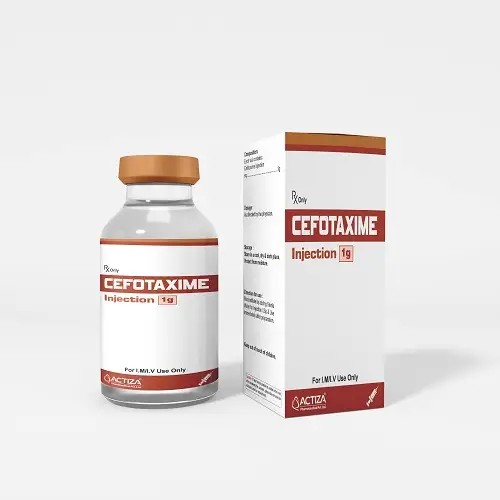
Cefotaxime Sodium Injection
| Product/Composition:- | Cefotaxime Sodium Injection |
|---|---|
| Strength:- | 1gm |
| Form:- | Injection |
| Production Capacity:- | 10 Million Injection/Month |
| Therapeutic use:- | Anti biotic/ Anti infective/ Anti fungal |
| Package Insert/Leaflet:- | Available upon request |
About Cefotaxime Sodium Injection
Cefotaxime Sodium Injection is an antibiotic of third-generation cephalosporin. It cures a variety of bacterial infections. It is efficacious against every kind of bacteria. Cefotaxime sodium is often reserved for severe infections. It is for cases that need rapid, strong antibiotic activity. It is given by IV or IM injection. In hospitals, the medication is often prescribed for infections of the urinary tract, bones, joints, skin, and abdomen. It is also used for complications of pneumonia, meningitis, and septicemia.
Uses of Cefotaxime Sodium Injection
Cefotaxime Sodium Injection treats severe bacterial infections from sensitive organisms.
How Does Cefotaxime Sodium Injection Work?
Cefotaxime Sodium is a beta-lactam antibiotic. It prevents cell walls from building by bacteria. It forms a bond with penicillin-binding proteins (PBPs) that are situated within the bacterial cell wall. This action inhibits the transverse linking of peptidoglycan chains. They are crucial for the cell wall’s rigidity and strength. In conclusion, the bacterial cell wall becomes fragile and ruptures. This kills the bacteria.
How Do I Take Cefotaxime Sodium Injection?
Cefotaxime Sodium Injection is administered in front of a medical professional. It is given:
Infection type and severity, patient age, weight, and renal function determine the dosage and duration. Consistently adhere to your healthcare provider’s directives for administering this drug.
When Is Cefotaxime Sodium Not Suitable?
Cefotaxime Sodium is not suitable for patients who:
Before Taking Cefotaxime Injection
Let your healthcare provider know if you:
Side Effects of Cefotaxime Sodium Injection
Cefotaxime is generally fine, but side effects may happen with a few people. These may include:
Interactions
Cefotaxime Sodium may react to some medications. This could reduce its efficacy or enhance side effects greatly. Significant interactions comprise:
Probenecid: This elevates cefotaxime concentrations by diminishing renal excretion.
Aminoglycosides: Elevated risk of nephrotoxicity with concomitant usage. Diuretics (e.g., furosemide): Elevated risk of renal impairment.
Oral anticoagulants: May amplify anticoagulant effects, elevating the risk of hemorrhage.
What Should I Discuss with My Healthcare Provider Before Using Cefotaxime Sodium Injection?
Any ongoing medications, such as over-the-counter pharmaceuticals, solutions, and organic remedies. If you are expecting, planning a child, or breastfeeding. Any medical past of kidney or liver diseases. Any infections that are either known or suspected to be caused by microorganisms.
Missed Dose
If you forget to take your medicine, you should talk to a doctor right away to get help. Do not take extra doses to balance out the missed ones.
Overdose
An overdose of Cefotaxime Sodium can cause Nausea, vomiting, seizures, kidney dysfunction, and neurological issues. Seek emergent medical advice if an overdose is suspected.
What Should I Avoid While Taking Cefotaxime Sodium?
Never skip a dosage or discontinue medication use before the prescribed duration has elapsed, regardless of how you may feel. If you stop early, the infection could return, or antibiotics could stop functioning.
Don’t drink alcohol during treatment. It could reduce the medicine’s effectiveness or worsen side effects, like dizziness and stomach pain.
If the drug makes you dizzy or sleepy, avoid activities that need you to be attentive, such as driving or using equipment.
Before seeing your doctor, do not use any other prescription or over-the-counter antibiotics. An interaction with other drugs or a decrease in the efficacy of Cefotaxime Sodium could result from doing so.
If you have been allergic to penicillin or cephalosporins, don’t use Cefotaxime Sodium without first talking to a doctor. Rash, swelling, or trouble breathing are all signs of an allergic response.
People who have problems with their kidneys or liver should not miss their regular checkups or blood tests. Monitoring makes sure that the medicine is safe and helps your health.
If you haven’t been trained to do so, don’t try to give yourself a shot. If it’s not done right, complications like getting an infection at the injection spot or giving the wrong dose can happen.
What Other Drugs Will Affect Cefotaxime Sodium Injection?
Certain medications may alter the effectiveness of cefotaxime or increase side effects. These include:
What Should I Watch For While Using This Medication?
Monitor for any doubts regarding allergic responses, including rash, itching, or swelling. Watch for severe diarrhea, which may indicate Clostridium difficile infection. Inform your medical provider if your symptoms worsen or persist.
Is Cefotaxime Sodium for Injection Suitable for Treating Viral Infections?
No, Cefotaxime Sodium is ineffective against viral infections such as cough or cold. It is particularly manufactured to target bacterial infections.
Warning & Precautions
Diet & Lifestyle Advice
Healthy eating and living can boost Cefotaxime Sodium’s efficacy and aid recovery. Eat a balanced diet of fruits, vegetables, whole grains, lean proteins, and healthy fats to boost your immune system and heal faster. Antibiotics can upset gut bacteria, so eating probiotic-rich foods will help to restore gut health. Drinking enough water helps eliminate toxins and prevent dehydration. Processed meals, sweets, and alcohol may damage your immune system or reduce drug efficacy. Rest enough to recover, and walk to boost circulation and energy. Wear sunscreen or protective clothes if you’re sun-sensitive. These diet and lifestyle suggestions improve treatment outcomes and health.
Special Advice
Signs of Infection
Watch for signs of ongoing or worsening infection, such as fever, redness, swelling, or pus at the site of infection. Contact your doctor if these symptoms occur.
Where Can I Get More Information?
To get more info on Cefotaxime Sodium Injection, talk to your doctor, ask your pharmacist, or check trusted medical websites.
Making a Decision About Treatment
Advantages:
Disadvantages:
Storage
Maintain a controlled room temperature between 15°C and 30°C. Keep out of reach of kids. Protect from direct sunshine and humidity.
Cefotaxime Sodium Injection is vital for treating severe bacterial infections. Its proper use under medical supervision ensures its effectiveness and reduces complications. Adhere to your healthcare provider’s safe and effective use recommendations at all times.
