


Why Temperature Control Is Critical in Pharma Exports
Temperature control is essential when shipping Temperature-Sensitive Drugs globally.
Medicines like vaccines and insulin must be kept at cool, controlled temperatures to remain effective
A small temperature rise can destroy life-saving treatments in transit, making precise temperature control a top priority.
Over thirty percent of medications are affected by extreme temperatures in a negative way.
This includes biologics like monoclonal antibodies and vaccines.
Medication’s effectiveness can be undermined by extreme temperatures.
This can lead to recalls and health risks because the medicinal properties get compromised.
Poor cold storage and transportation make it difficult to maintain the proper temperature in nations like India.
Categories of Temperature-Sensitive Pharmaceuticals
Some medicines are temperamental and need the right temperature to work well.
These are known as temperature-sensitive pharmaceuticals.
Proper storage keeps them safe and effective for health benefits.
Refrigerated Medications (2°C – 8°C / 36°F – 46°F):
Like a refrigerator, medicines need a cool environment. Changes in temperature impair their functionality.

Examples:
Frozen Medications (-25°C to -15°C / -13°F to 5°F):
To ensure that they remain stable and last for an extended period, they should be frozen.
Thawing causes them to spoil, making refreezing impossible.

Examples
Ultra-Cold Chain Products (below -80°C / -112°F):
Ultra-modern medicines necessitate super-cold freezer storage.
They effectively combat life-threatening diseases.
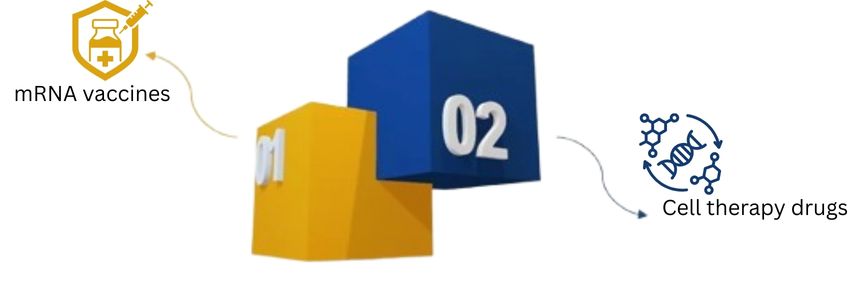
Examples
Controlled Room Temperature (15°C – 25°C / 59°F – 77°F):
Not all medicines need refrigeration; they’re safe at room temperature if heat and sunlight are avoided.
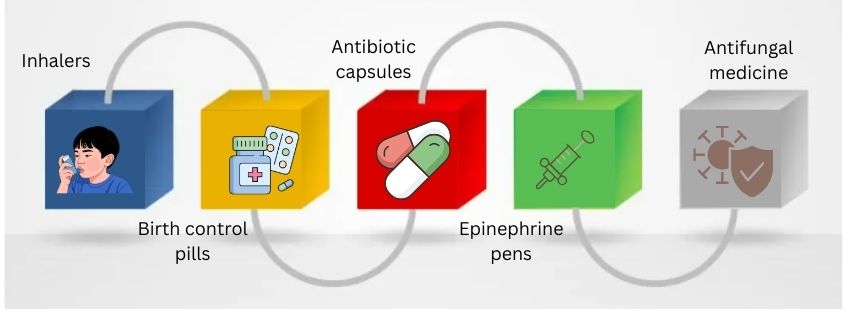
Examples:
Cold Chain Infrastructure in Indian Pharma Exports
India is quickly expanding its role in the global pharmaceutical export market.
As we ship more temperature-sensitive medicines, a strong cold chain is key.
It helps make sure these medicines are safe and work well.

WHO-GDP-Compliant Warehousing
India is advancing in pharma logistics with modern centers.
Certified by WHO-GDP and CEIV Pharma, these facilities set a high standard.
They have high-tech pre-cool systems and several chambers that control temperature.
They keep pharmaceutical products safe. This ensures quality and reliability with the help of trained handlers and smart technology.
Dedicated Cold Rooms at Airports & Ports
There are now specialized refrigerated storage facilities at major terminals, including Delhi, Mumbai, Bengaluru, and Hyderabad.
These innovative hubs use cool dollies and thermal blankets.
They ensure that medicines stay stable during cargo transfers.
Cold storage is set to grow in tier II and III cities as expansion plans ramp up.
Validated Cold Packaging Solutions
Special packaging includes gel packs, thermal blankets, and va-Q-tec containers.
They preserve the proper temperature of medications. Every solution is put through testing to ensure its durability, long trips, and all types of weather.
This guarantees that your medications, wherever they go, will arrive in perfect condition.
They keep the pharmaceutical supply chain strong by preventing delays or damage from unsafe routes.
Pre-Dispatch Quality Protocols
It’s important to confirm the safety and efficacy of pharmaceutical products prior to shipping.
Keeping an effective and reliable cold chain requires taking these actions.
1. Careful Pre-Dispatch Planning
A well-defined plan is established before any shipment. The route that saves the most time is chosen.
Delays are planned for with backup plans in place. All possible risks are checked and taken care of.
2. Constant Temperature Monitoring
Pharmaceuticals need to be kept cold during transportation. Special tools are always used to keep track of the temperature.
If something goes wrong, action is taken quickly to fix the problem.

3. Strong, Smart Packaging
Medicines are packed in a way that keeps them cool. This is done using insulated boxes, cold packs, and special materials that protect them on long trips.
4. Temperature-Controlled Transport
Special trucks and aircraft are used for the transportation of cold goods.
They are made to adjust their temperature to meet the requirements of various products while maintaining product safety.
5. Trained Staff and Clear Rules
These things are handled by skilled staff members. They follow SOPs, or standard operating procedures, which help employees perform their jobs accurately every time.
6. Quality Checks and Certifications
Regular quality checks are performed to make sure all regulations are being followed.
Companies aim to earn specialised certifications, like CEIV Pharma, to prove that they follow international standards.
Real-Time Temperature Monitoring in Transit
Making sure the safety of shipments requires real-time temperature monitoring.
This technology ensures medications remain stable and effective in transit.
It continuously monitors temperatures and alerts teams when something goes wrong.

Use of IoT & GPS Trackers
IoT devices regularly track the temperature of your shipments. Alerts sound immediately if the temperature rises.
Packages are tracked in real-time by GPS trackers, which are our logistical lifelines.
This watchful eye helps companies respond quickly.
It guarantees the safe and timely delivery of packages.
Airline Tie-Ups for Pharma Corridors
Airlines team up with drug companies to set up dedicated lanes for sensitive medicines.
These key pathways help maintain strict temperature control.
They also allow for quick transport, keeping each vial safe. This collaboration guarantees that vital drugs arrive quickly and safely.
It links lifesaving treatments with those who need them most.
Regulatory Compliance & Certifications
Regulatory compliance is vital for safe and effective medicine management.
It helps ensure that patients get their medicines in good condition.
By adhering to these rules, we maintain medicine quality and protect patient health.
WHO-GDP (Good Distribution Practices)
WHO-GDP sets the top standard for safe storage and transport of medicine.
To keep medications in top condition, it’s essential to handle them with care, control the temperature, and keep clear records.
Following these guidelines helps prevent contamination and damage.
By taking a careful approach, WHO-GDP maintains the efficacy and purity of your medications and ensures they work as intended.
IATA TCR (Temperature Control Regulations)
When it comes to air shipping medications that are sensitive to temperature, IATA TCR is your guide.
It guarantees the cold chain’s integrity throughout the trip.
Airlines and handlers are subject to strict rules regarding packaging and temperature checks.
To keep medications safe and effective while being shipped, they have to take this action.
CDSCO guidelines on biologics/vaccines
The CDSCO has set standards for the safe storage and transportation of vaccines and biologics.
The rules aim to preserve their quality and are outlined below:
Export documentation includes packaging validation reports
To export medicines, you need the right paperwork to ensure safe handling.
This paperwork has reports that detail how well the packaging secures medicines.
It is essential for the preservation of the appropriate temperature.
How Buyers Can Work Effectively with Indian Exporters
By teaming up with Indian exporters, you’ll be able to discover new opportunities globally.
Following the right process helps you build trust and grow long-lasting partnerships with them.
1. Find Right Partners
Check out reliable B2B websites like Indiamart and Alibaba to find suppliers.
These sites connect you with trustworthy Indian companies.
Trade shows and Export Promotion Councils help buyers and exporters build relationships.
2. Build Strong Trust
Before ordering in bulk, give the products a try first. Team up with dependable shipping firms and pick safe payment methods.
This helps you stay on track and dodge problems later on.

3. Use Smart Logistics
Pick logistics firms you can count on, ones that put money into cutting-edge tech like live tracking.
Sending breakable items needs extra watchfulness to keep them intact.
You can rest easy knowing their know-how keeps your shipments safe.
4. Grow Online Presence
Having a well-designed website and being active on social media can help establish exporters as trustworthy brands.
Online ads let buyers search and discover what they need.
They also connect businesses with customers around the globe who want their products.
5. Leverage Govt Support
Government schemes, EPCs, and trade agreements pave the path for smooth global trade.
They help manage costs, clarify rules, and lead you to reliable export partners in India.
Conclusion: Reliability of Indian Pharma Cold Chain
India’s pharma cold chain is advancing. It’s becoming both stronger and smarter.
It’s a mix of elements that helps everything run well: upgraded storage, new packaging, a capable team, and tracking everything in real time.
Indian exporters can now confidently ship medicines that need special temperature care.
This includes vaccines and insulin. These upgrades keep medicines safe and effective.
Globally, people can rely on India’s thriving cold chain systems for top-notch exports from the country.