


Introduction
People all over the world call India the “Pharmacy of the World,” and they send medicines to more than 200 other countries.
India shipped pharmaceutical goods worth more than $25.3 billion in FY 2023.
This shows that it is becoming more recognized as a dependable and affordable supplier.
It is crucial for Indian manufacturers to adhere to regulatory standards to meet the expectations of global pharmaceutical importers.
It not only ensures the safety and quality of the product, but it also lowers operational, legal, and reputational threats.
This guide shows importers how to create a solid compliance plan for Indian sources.
Understanding Regulatory Requirements in India
Pharmaceutical importers must understand India’s rules and regulations.
This knowledge helps ensure that purchasing goes smoothly and legally.
The Central Drugs Standard Control Organization (CDSCO) and the Drugs Controller General of India (DCGI) regulate the Indian pharmaceutical industry.
They decide which drugs can be sold, how they should be made, and how they should be exported.
Importers must ensure that their Indian suppliers comply with India’s Drugs and Cosmetics Act, 1940, and Good Manufacturing Practices (GMP). Importers need to know these rules.
This way, they can ensure their sellers follow all laws and meet quality standards.
This will lower the chance that shipments will be delayed or rejected.
Key Regulatory Bodies
The national regulatory authority for pharmaceuticals in India. In charge of approving novel drugs and clinical trials and supervising imports and exports.
Importer Exporter Codes (IEC), export permits, and international trade regulations are all issued.
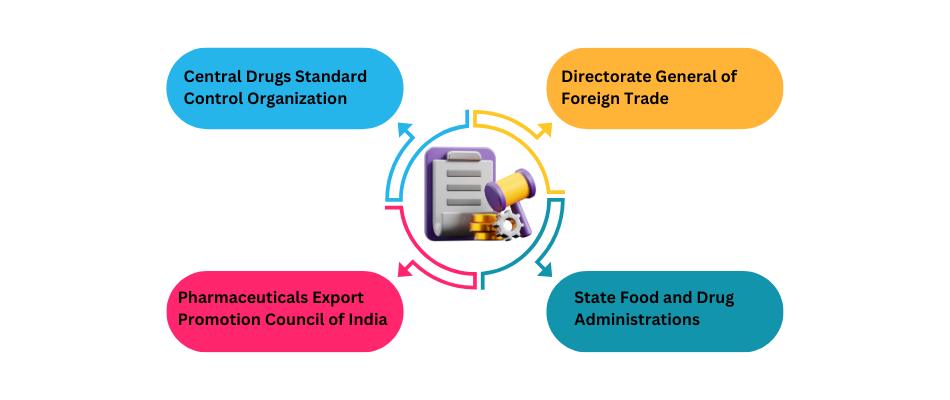
It is governed by the Ministry of Commerce & Industry. Helps members meet export standards and supports the export of Indian pharmaceuticals.
Issuing manufacturing licenses and implementing drug control policies in the region.
Essential Export Documents.
The following documents are essential for a compliant and efficient shipment process:
Pharmexcil reports that India’s exports topped $25.3 billion in FY 2023. This means comprehensive documentation is required for all international shipments.
Verify Supplier Credentials Early
Membership with Pharmexcil
The supplier’s adherence to India’s export standards is indicated by their membership.
It guarantees access to official export records, complaint resolution, and trade facilitation.
Certification Check
WHO-GMP (World Health Organization: Good Manufacturing Practices)
USFDA, MHRA (UK), EMA (EU), TGA (Australia) approvals
ISO 9001/13485: for quality and medical device manufacturing systems
PIC/S Compliance: for harmonized GMP standards
Check Supplier’s Corporate Identity
Check on the website of the Ministry of Corporate Affairs (MCA).
Check your GST number, PAN number, and director identification number (DIN).
Look over your past compliance records, legal standing, and registered addresses.
Understand Importing Country Regulations
Import Licenses & Approvals
Align with International Guidelines
Quality Assurance and Pre-Shipment Inspections
Buying medications from India requires strict quality assurance and pre-shipment inspections.
Before shipping, products must be checked for compliance with regulations, labels, packing quality, and purchasing specifications.
Pre-shipment inspections cut non-compliance rates by over 45%.
This makes them a strong defense against regulatory issues, and product recalls based on industry data.
A strong, clear supply chain helps importers.
It stops low-quality or non-conforming goods from entering their markets.
Third-party inspections or supplier quality audits can boost product integrity and safety.
Transparent Documentation & Record-Keeping
Maintain a Compliance Checklist
A compliance checklist helps importers track quality and legal requirements.
It covers all the steps in buying and shipping. This means checking product labels for accuracy.
It also verifies certificate validity and Good Manufacturing Practices (GMP) compliance.
A thorough plan is useful for avoiding mistakes and ensuring no important step is missed.
Ensure Digital Traceability
Digital tracking systems help importers monitor pharmaceuticals throughout the supply chain.
This starts at the factory in India and ends at the delivery location.
Barcoding, QR codes, and blockchain help track movement.
They also verify identities and find unusual items.
These methods not only make things run more smoothly, but they also keep fake drugs out and make patients safer.
Archival for Regulatory Audits
For reacting to regulatory audits and inspections, it is important to keep records correctly.
Importers must keep records like invoices, test reports, licenses, and letters.
Local and foreign laws require this for a set period.
Digital or physical files that are well-organized make sure that compliance proof is always available when it’s needed.
This lowers the risk of fines or business interruptions.
Build Clear Communication Channels
Define SOPs with Suppliers
Regular Compliance Training
Appoint Compliance Officers
Nominate dedicated Compliance Managers from each side. They will handle regulatory updates and ensure documents are accurate.
Legal Agreements and Compliance Clauses
Draft Detailed Supply Contracts
Dispute Resolution Mechanisms
Liability Insurance
Make sure the supplier has foreign coverage for product liability insurance.
Importers should also have protection for their goods and marine cargo.
Stay Updated with Changing Regulations
When importers work with Indian sellers, they need to know about new rules for pharmaceuticals.
This keeps them out of expensive delays, recalls, and legal trouble.
India and other countries that import goods are updating their rules.
This is due to shifts in health trends, new technologies, and trade policies.
People who bring goods into the country must keep an eye on what CDSCO, Pharmexcil, and the Directorate General of Foreign Trade said.
International regulatory bodies like the USFDA, EMA, WHO, and ICH keep GMP, quality control, and product labeling rules up to date all the time.
Businesses can stay current by joining regulatory platforms, compliance groups, and government bulletins.
Deloitte’s Third-Party Risk Management Survey shows you can reduce legal and operational risks.
You just need to check and update supplier compliance regularly.
We need a compliance team or officer for importers.
This allows them to obey the regulations and prevent difficulties in the supply chain.
Conclusion
The pharmacy business in India is one of the world’s most advanced, well-run, and varied.
It is crucial to ensure coordinated collaboration across the supply chain from start to finish Importers can reduce business risks and build long-term partnerships by thoroughly vetting suppliers, ensuring compliance with Indian and international regulations, maintaining clear records, and safeguarding legal protections.
