


Introduction
India excels in pharmaceuticals but faces a challenge in exporting medicines.
We need to manage the complex cold chain requirements and customs rules skillfully.
India exports to over 200 countries and has secured more than 6,300 USDA approvals.
It is vital to properly manage storage, shipping, and clearance.
This prevents delays and protects products from damage.
India exported $27 billion worth of pharmaceutical products globally in 2023
In 2023, India made a remarkable mark, exporting $27 billion in medicines and vaccines.
That’s a significant rise from $24.4 billion in 2021.
India holds a remarkable 20% global medicine supply and 60% vaccines.
This lends it the moniker “Pharmacy of the World.
This name shows its key role in healthcare, providing essential medicines worldwide.
Common Logistics Challenges in Indian Pharma Exports
India’s pharma exports are taking off, but shipping these high-maintenance products is a major hurdle.
Here are the key issues faced:
Understanding Pharma-Specific Shipping Needs
Shipping medicines involves more than transport.
It is also important to ensure that they are safe and effective till used.
Let’s look at three key parts of pharma shipping.
Pharmaceuticals do well in cool conditions, and transporters keep those conditions stable.
Extreme heat or cold can harm many medicines, making them ineffective or dangerous.
Special refrigerated containers are used to ship drugs and solve this issue.
These containers keep the right temperature from the factory to the final stop.
Pharmaceutical packaging is an advanced system. It shields drugs from heat, moisture, and light.
This ensures the product remains stable during transit, ultimately safeguarding patient health.
It reduces waste and ensures safe delivery by securing drugs for long journeys.
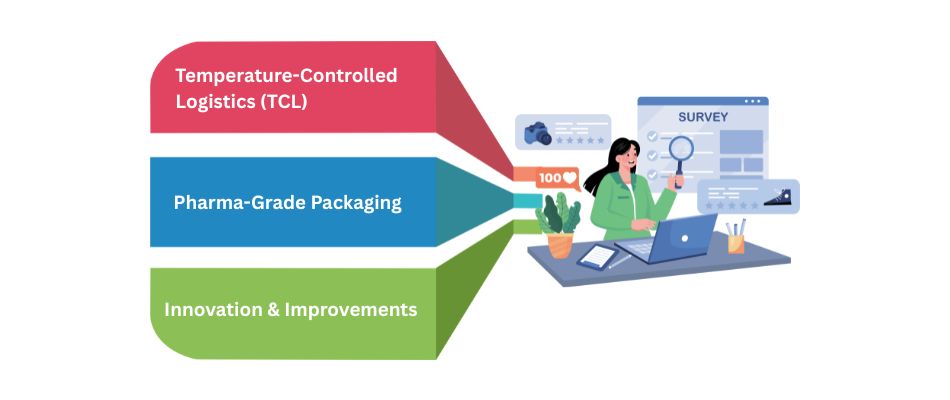
Tracking tools monitor the temperature, humidity, and movement of shipments.
They notify the shippers if an issue arises, such as a sudden heat increase.
Real-time tracking prevents theft and damage. As everything is recorded, problems can be solved quickly.
Navigating Indian Customs for Pharma Shipments
Key Regulatory Bodies
Safe shipping and use of medicines rely on strict adherence to rules.
In India, several important organizations help maintain these standards.
Their focused efforts keep safety at the heart of the medical journey.
CDSCO is India’s top authority regulating medicines, ensuring they are safe and of high quality.
They are also in charge of keeping an eye on the import and export of medicines all over the country.
The DCGI leads the CDSCO with authority and expertise.
They ensure that drugs and medical devices meet safety standards for public use.
They also approve clinical trials that take place across India.
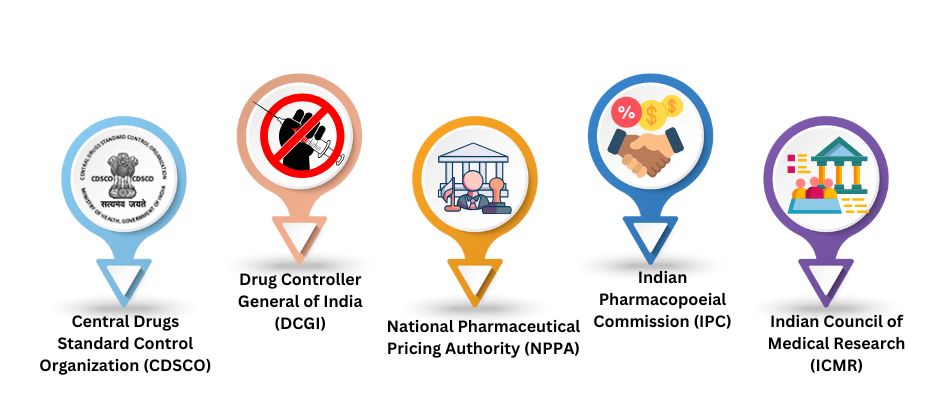
NPPA helps make a range of crucial medicines more affordable.
It works by setting price limits on a range of familiar drugs, making it easier for people to access the necessary treatments.
IPC establishes the benchmarks for drug development and quality control.
Its standards guarantee the efficacy and safety of every medicine.
ICMR leads drug research and testing efforts.
It supports innovative studies that change medicines’ development, testing, and use in real-world treatments.
Essential Documents Checklist
Clinical trials and drug registrations need key documents to help ensure safety, legality, and proper record-keeping. Here’s a simple list:
Common Clearance Delays
Delays in customs clearance for pharmaceuticals can occur.
This might be due to faults, lacking information, or strict requirements. Here are some common reasons why:
Strategies to Avoid Shipping & Clearance Issues
India supplies more medicines and vaccines than nearly any other country.
As pharma exports rise, we must avoid shipping delays and losses.
Work with Pharma-Specialized Freight Forwarders
Managing pharma shipments requires a solid understanding of regulations and cold chain rules.
Opt for freight companies that focus on pharma logistics.
This choice helps deliver on time, maintain integrity of pharmaceutical products, and lowers risks.
Pre-clearance and Pre-shipment Inspection
Preventing export issues is possible with a bit of planning.
Check your documents, packaging, and cargo condition from the start.
This approach can help your shipments move through customs faster.
Use of Consolidated Shipments
Shipping multiple pharma orders together cuts costs and speeds up delivery.
This approach helps prevent customs delays and maintains the cold chain.
As a result, it protects vaccines and drugs.
Digitalization & Blockchain
Digital tools make it easier to track pharma shipments from start to finish.
Blockchain ensures records are safe and allows easy sharing with customs and shippers.
It also keeps regulators updated.
Insure High-Value Shipments
Temperature fluctuations and theft pose significant risks to high-value pharmaceutical shipments.
They can spoil or get stolen. Insurance helps businesses avoid big financial losses.
It also maintains a record to show you have adhered to safety protocols.
Role of Indian Exporters in Supporting Smooth Logistics
Indian exporters excel in trade, ensuring goods move smoothly.
They connect India to the world through busy routes, quickly getting products to global markets.
Recommendations for Importers
Indian exporters are vital to the smooth flow of logistics.
To make this happen, they team up with different groups and adopt new ways of doing things.
Conclusion
To succeed, India’s pharmaceutical exports must overcome logistics challenges.
Cold chain management needs to be tweaked, and customs processes need to be sped up.
Adopting digital tools will help it stay on top as a major player in the global medicine supply.
When exporters, freight forwarders, and customs agents work together, deliveries run more smoothly.
This partnership turns logistics into a smooth operation.
They deal with transport issues, ensuring shipments arrive at their destinations on time.
